The U.S. Department of Justice has opened a sweeping civil rights investigation into conditions across Colorado’s entire state prison system and its network of youth detention facilities — a probe that appears to be the first of its kind targeting an entire state’s correctional apparatus in 2025.
Scope of the Investigation
The DOJ’s Civil Rights Division announced in December 2025 that it would examine whether Colorado has engaged in a “pattern or practice” of violating the constitutional rights of incarcerated people. The investigation covers all 21 state prisons operated by the Colorado Department of Corrections and the 12 residential youth centers run by the Department of Human Services’ Division of Youth Services.
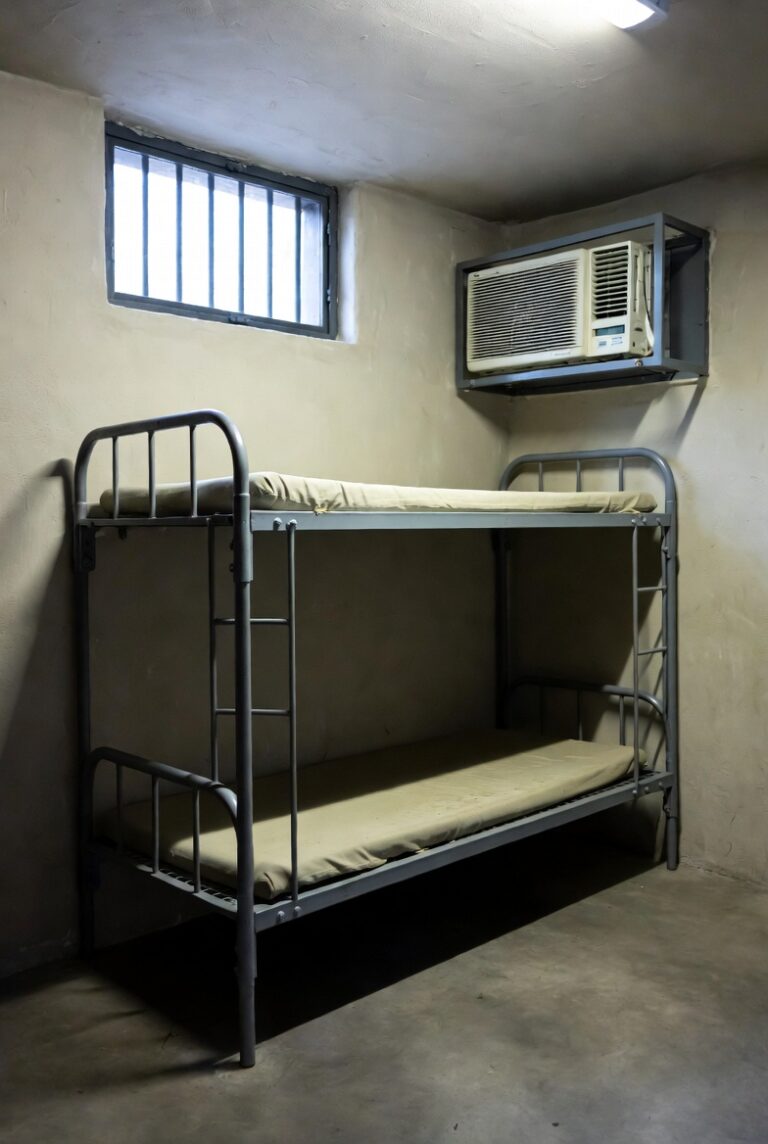
The probe will focus on several areas: whether the state fails to provide adequate medical care to prisoners; whether physical conditions of confinement are safe and sanitary; whether youth in DYS facilities are subjected to excessive force; and whether detained youth receive adequate nutrition.
The investigation will also examine whether Colorado violates prisoners’ and detainees’ right to free exercise of religion through its housing policies, including the placement of transgender individuals in facilities.
Youth Starvation Reports Preceded the Probe
The DOJ investigation followed investigative reporting by The Denver Post that documented alarming conditions inside Colorado’s juvenile detention facilities. In the weeks before the federal announcement, 10 parents told The Post that their children were losing concerning amounts of weight at the Youthful Offender System facility in Pueblo due to a lack of adequate food.
One case stood out: a 22-year-old incarcerated at the facility was hospitalized after going into renal failure due to malnourishment, according to his family. The reports of weight loss and inadequate nutrition among detained youth provided specific, documented evidence of the kinds of conditions the DOJ investigation is designed to address.
A Statewide Approach
Federal investigations of individual correctional facilities are not uncommon. The DOJ has ongoing cases involving conditions in Alabama prisons and has conducted pattern-or-practice investigations of specific jails and prisons across the country. But the decision to investigate an entire state’s prison system — all 21 facilities — represents an escalation in scope that signals the department believes the problems are systemic rather than facility-specific.
The investigation carries significant legal weight. If the DOJ finds a pattern of constitutional violations, it can negotiate a consent decree requiring specific reforms, or it can file a lawsuit to compel changes. Past DOJ consent decrees have mandated improvements in medical care, staffing levels, use-of-force policies, and physical conditions in correctional facilities across the country.
Colorado’s Correctional Landscape
Colorado operates a state prison system that houses approximately 15,000 people. The state has pursued some criminal justice reforms in recent years, including efforts to reduce sentences for certain offenses and expand alternatives to incarceration. But the DOJ investigation suggests that conditions inside facilities have not kept pace with the state’s reform rhetoric.
The Division of Youth Services oversees facilities that house juveniles and young adults convicted of serious offenses. The Youthful Offender System in Pueblo, where the nutrition complaints originated, is designed for offenders between ages 14 and 25 who are convicted of violent crimes. Conditions in youth detention facilities have been a persistent concern nationwide, with multiple states facing federal investigations or consent decrees related to the treatment of incarcerated young people.
What Happens Next
DOJ pattern-or-practice investigations typically take months or years to complete. Investigators will review records, inspect facilities, interview staff and incarcerated people, and consult with medical and corrections experts. The investigation’s findings will be published in a report that will either clear the state or document specific constitutional violations.
For the families of incarcerated people in Colorado — particularly the parents who reported their children were losing weight in state custody — the investigation represents the possibility of accountability. Whether it produces meaningful change will depend on what investigators find, what remedies the DOJ pursues, and whether Colorado’s political leadership treats the investigation as an opportunity for reform or a threat to resist.
For a full list of Colorado correctional facilities, visit the Jail411 Colorado directory.